Why Commercial Small Animal Control Requires Professional Expertise
People seeking commercial small animal control typically want safe, effective removal solutions, which local service providers can deliver through their specialized expertise.
Understanding why commercial small animal control requires professional expertise is essential for property owners facing issues with unwanted wildlife. These situations often involve more than just spotting animals; they require knowledge of animal behavior, effective removal techniques, and the ability to prevent future intrusions. Local contractors who specialize in commercial small animal control are equipped to handle these challenges safely and efficiently, ensuring that the property remains secure and free from pests that can cause damage or health concerns. If you're dealing with persistent animal activity on a commercial property, exploring how experienced service providers approach these issues can help you make informed decisions about the best course of action.
Property owners in the area might consider professional small animal control services to avoid potential complications that come with DIY methods. Improper removal can lead to animals returning or causing further damage, and in some cases, pose safety risks. Local service providers understand the specific challenges of commercial environments and have the practical expertise needed to address them effectively. By working with experts, property owners can ensure that the problem is handled thoroughly-covering everything from humane removal to securing vulnerable entry points-so that the property remains protected. Keep reading to learn more about why professional involvement is a crucial step in managing small animal issues on commercial sites.
- Commercial small animal exclusion - when buildings need to be secured against entry, local contractors use specialized techniques to ensure long-term protection.
- Rodent infestation removal - in cases of ongoing pest problems, experienced service providers assess entry points and implement effective removal strategies.
- Wildlife damage repairs - after animal intrusion causes structural damage, local pros restore and reinforce affected areas to prevent future issues.
- Sanitation and cleanup - following animal activity, professionals perform thorough cleaning to eliminate odors and prevent health hazards.
- Preventative pest proofing - to avoid recurring problems, local contractors install barriers and conduct inspections tailored to commercial property needs.
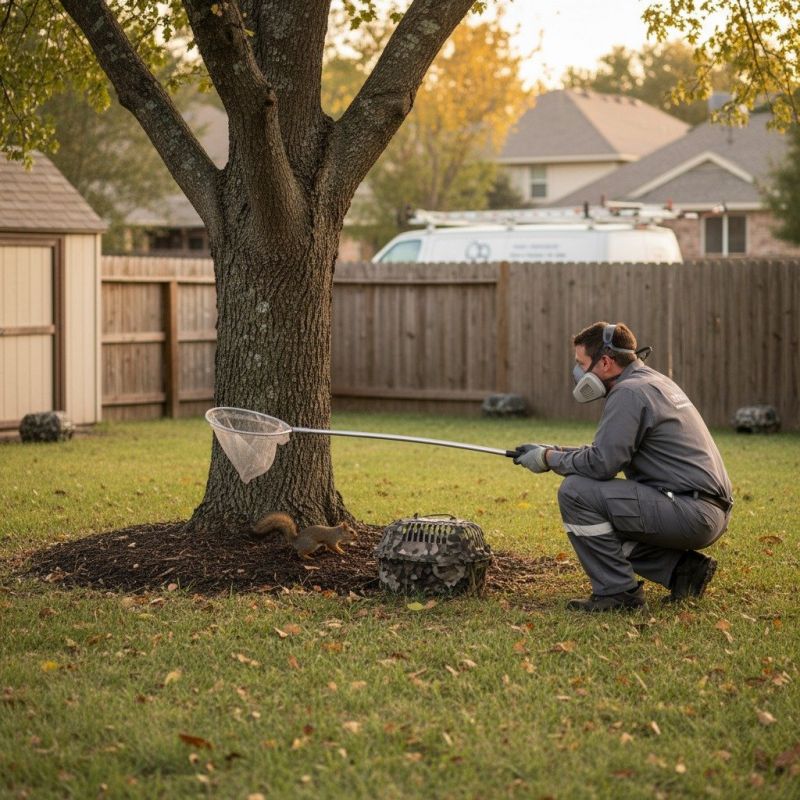
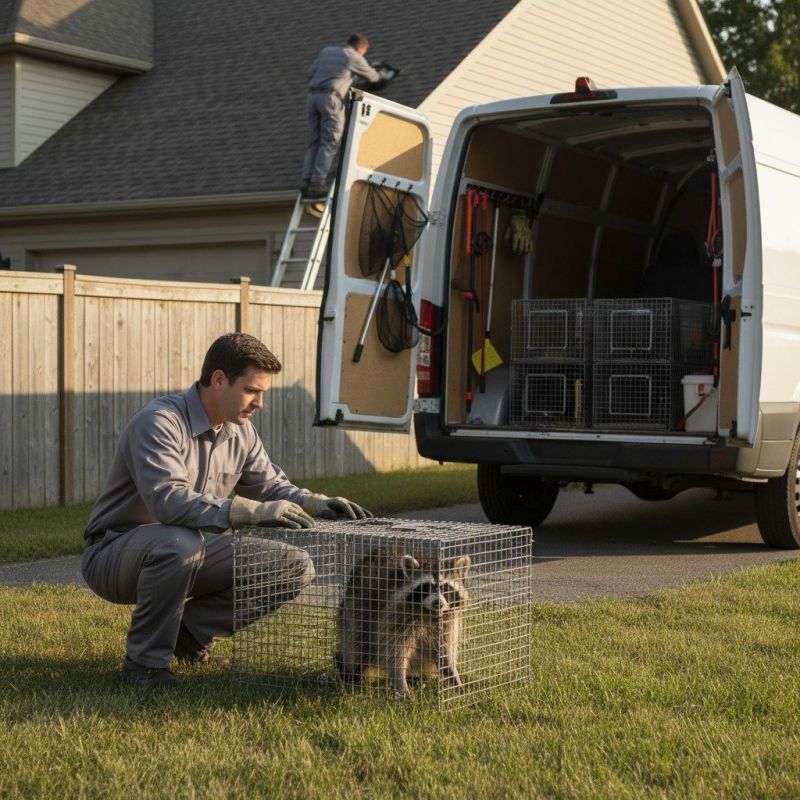
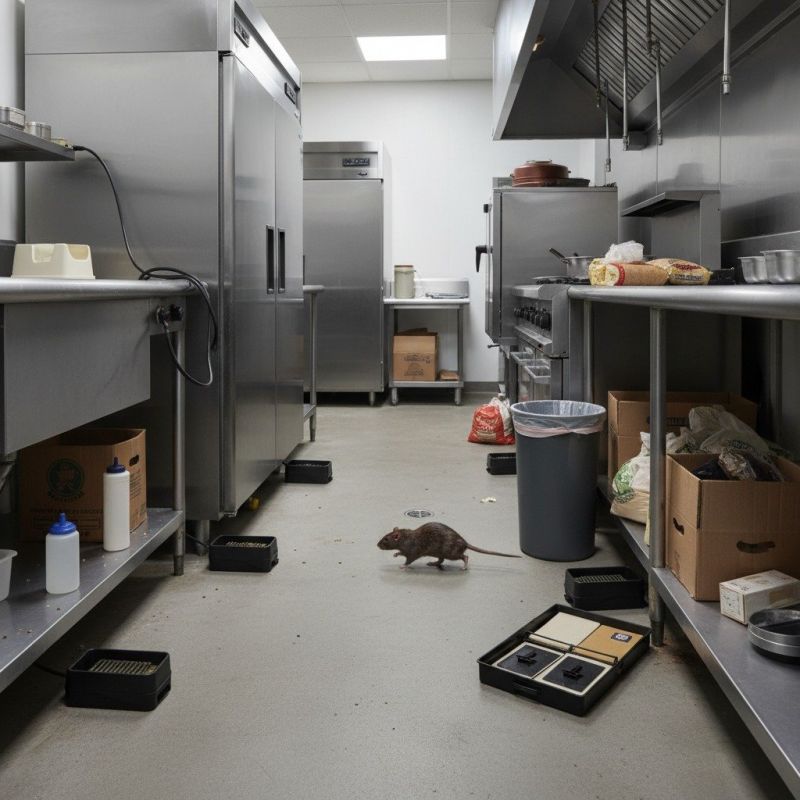
When people search for why commercial small animal control requires professional expertise, they are often trying to understand the complexities involved in managing nuisance animals on business or property sites. These searches typically stem from concerns about animals such as rodents, raccoons, squirrels, or other small wildlife causing damage or creating health hazards. Business owners, property managers, or facility operators want to ensure that any animal-related issues are handled efficiently and safely, which naturally leads to questions about whether specialized knowledge and skills are necessary. The emphasis is on understanding why DIY methods or general pest control might not be enough, and how experienced service providers can deliver more effective, long-lasting solutions.
This topic relates closely to problems like property damage, contamination, and the disruption of daily operations. Small animals can chew through wiring, insulation, or structural elements, potentially leading to costly repairs. They may also carry diseases or parasites that pose health risks to employees or visitors. Planning for animal exclusion, removal, and ongoing prevention requires a strategic approach that considers the specific behaviors and habitats of different species. Commercial properties often involve larger-scale challenges compared to residential sites, making it important to develop tailored plans that address the unique features of each property. Local service providers bring the practical knowledge needed to assess these problems accurately and implement targeted solutions.
The types of properties that come up in commercial small animal control projects are diverse, ranging from warehouses and retail centers to office complexes and industrial facilities. These properties often have large, accessible roof spaces, storage areas, or landscaping that can attract or harbor wildlife. Parking lots, loading docks, and utility areas are common entry points for small animals, and their presence can lead to ongoing issues if not managed properly. Because these properties are used for business purposes, disruptions caused by animals can impact operations, safety, and reputation. Local contractors experienced in commercial small animal control understand the specific challenges posed by these environments and know how to adapt their methods accordingly.
Understanding why commercial small animal control requires professional expertise highlights the importance of working with service providers who have the right skills and experience. Handling wildlife on commercial sites involves more than just trapping animals; it requires a comprehensive approach that includes inspection, exclusion, and prevention strategies. These professionals are equipped to evaluate the property’s vulnerabilities and develop customized plans that minimize future issues. For property owners and managers, partnering with knowledgeable local pros ensures that animal control efforts are thorough, safe, and compliant with any relevant regulations. This expertise ultimately helps protect the property’s integrity, safety, and long-term usability.
Wildlife exclusion projects - professionals often handle the removal and sealing of entry points for small animals, similar to the planning needed for commercial pest control efforts.
Building inspection services - assessing structures for animal entry points and vulnerabilities requires keen observation skills comparable to those used in small animal control.
Rodent proofing and sealing - local contractors specialize in sealing gaps and cracks, a critical step in preventing small animal infestations in commercial properties.
Habitat modification projects - altering landscaping or surroundings to deter animals involves planning and execution skills aligned with small animal control strategies.
Structural repair services - fixing damage caused by small animals or preventing future issues requires expertise in building components and materials.
Pest prevention consulting - providing advice on reducing attractants and entry points ties closely to the knowledge needed for effective small animal control in commercial settings.
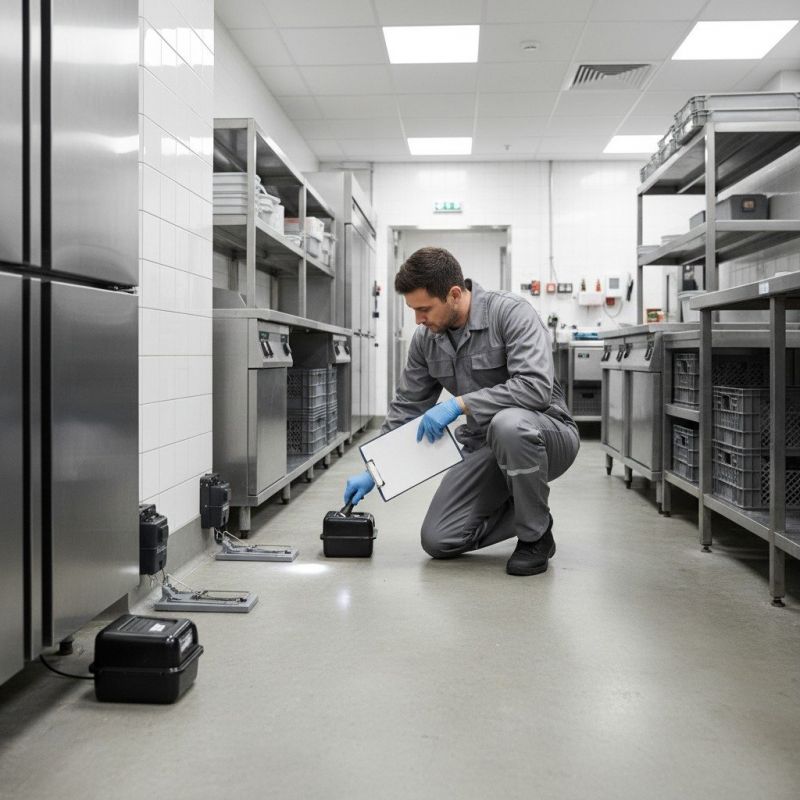
When comparing service providers for commercial small animal control, it is essential to evaluate their experience with similar projects. Contractors who have handled commercial properties or environments comparable to the specific needs of the business are more likely to understand the complexities involved. Their familiarity with the unique challenges of commercial settings can help ensure that the small animal issues are addressed effectively and efficiently. Asking for details about past projects or seeking references related to similar work can provide valuable insight into a contractor’s practical knowledge and ability to manage the scope of the job.
Clear written expectations are a critical aspect of choosing the right service provider. A reputable contractor should be able to provide a detailed outline of the services they will perform, including the methods used and the expected outcomes. This documentation helps establish a mutual understanding of the work involved and reduces the risk of misunderstandings or unmet expectations. When reviewing proposals or estimates, it is beneficial to compare how thoroughly each contractor describes their approach, ensuring that the scope of work aligns with the specific needs of the commercial property.
Effective communication is vital when working with local contractors on small animal control projects. Service providers who are transparent and responsive can better coordinate efforts, answer questions, and adapt to any unforeseen issues that may arise. Good communication also facilitates ongoing updates and clarifications, which are crucial for maintaining progress and ensuring the work meets the desired standards. When considering different options, paying attention to how promptly and clearly contractors communicate can help identify those who will be reliable partners in managing the challenges of commercial small animal control.
Property owners often search for why commercial small animal control requires professional expertise when they are planning practical projects around their homes and businesses. Local pros provide Commercial Small Animal Control services for everyday jobs and straightforward project options.
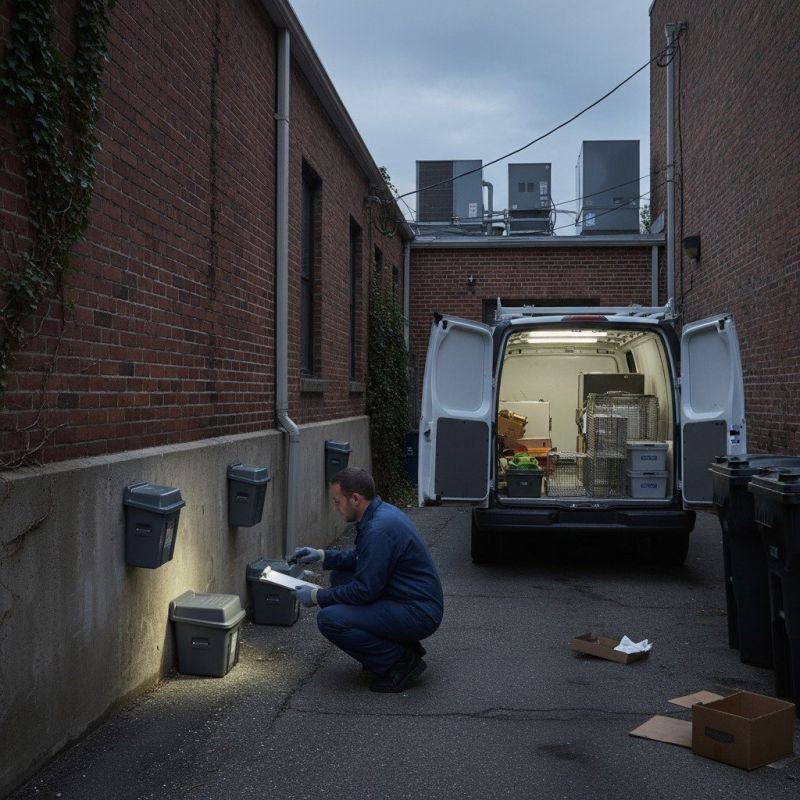
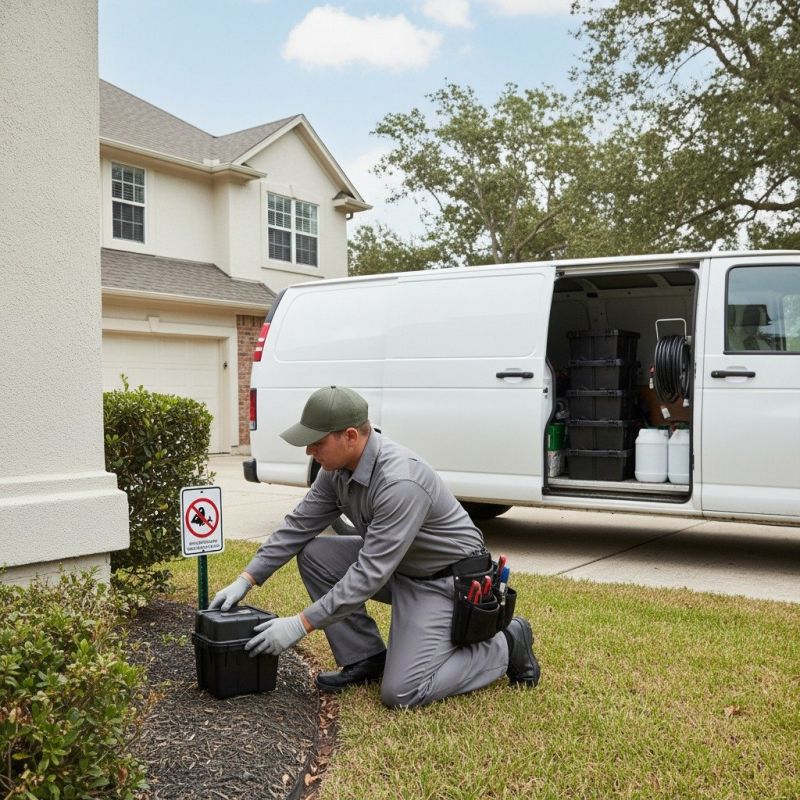
In many commercial properties, small animals such as rodents, raccoons, or squirrels can cause significant issues if not properly managed. Property owners often encounter situations like unexpected animal intrusions in storage areas, damage to wiring or insulation, or signs of nesting in hard-to-reach places. Handling these situations without the right expertise can lead to ineffective removal, recurring problems, or even safety hazards. Local contractors who specialize in commercial small animal control have the experience to assess the situation accurately, identify the specific species involved, and implement appropriate removal strategies that prevent future issues.
Choosing professional small animal control services is especially important because these animals can be persistent and tricky to manage on your own. Improper removal methods might not fully address the root of the problem, leading to ongoing infestations or damage. Additionally, some animals may create hazards during removal, such as bites or exposure to disease. Local service providers understand the common challenges faced by commercial property owners and have the tools and techniques to handle these situations safely and effectively. Relying on experienced professionals ensures that the job is done thoroughly, reducing the risk of repeat problems and protecting the property’s integrity.
Why is professional expertise important for commercial small animal control? Commercial small animal control involves complex techniques and knowledge that ensure effective removal and prevention, which local contractors are equipped to provide.
What risks are associated with DIY small animal control in commercial settings? Attempting to handle small animal control without professional skills can lead to incomplete removal, property damage, or safety hazards that trained service providers are better prepared to manage.
How do local service providers ensure the job is done correctly? Local contractors have experience with various species and environments, allowing them to identify entry points, assess infestations accurately, and implement appropriate solutions.
Why is specialized equipment necessary for commercial small animal control? Professional service providers use advanced tools that improve the effectiveness and safety of removal and exclusion processes, which are not typically available for DIY efforts.
What makes professional expertise essential for ongoing small animal control in commercial properties? Ongoing management requires knowledge of animal behavior and property maintenance, which local experts can provide to prevent future infestations effectively.
Understanding pest behavior - local contractors can identify how different small animals interact with commercial properties, helping property owners develop effective control strategies.
Proper identification of species - professionals can accurately determine which animals are causing issues, ensuring targeted and humane removal methods are used.
Implementing effective exclusion techniques - experienced service providers can advise on and install barriers that prevent animals from re-entering the property.
Ensuring compliance with regulations - experts are familiar with local laws and guidelines, helping property owners avoid legal issues related to animal control efforts.
If you are thinking about why commercial small animal control requires professional expertise for a property, this guide is meant to help you understand this topic, the typical project types, and how different options might fit your plans.
When you are ready, you can use the quote form on this page to share a few details about your project. From there, local pros can review the basics and follow up with options that match what you have in mind.