How Wildlife Can Damage Roofs, Attics, and Insulation
People searching for wildlife removal are often seeking help to prevent animals from damaging roofs, attics, and insulation, with local service providers ready to safely handle the job.
Understanding how wildlife can damage roofs, attics, and insulation is important for property owners who want to protect their homes and investments. Animals such as raccoons, squirrels, bats, and birds often seek shelter in attics and roof spaces, which can lead to structural damage, compromised insulation, and costly repairs. Recognizing the signs of wildlife intrusion and knowing what to look for can help prevent minor issues from escalating into major problems. Local contractors specializing in wildlife removal are equipped to assess these situations and provide effective solutions to safeguard homes against future damage.
For those living in the area, exploring this topic is a practical step toward maintaining a safe and intact property. Wildlife-related damage not only affects the integrity of roofs and attics but can also impact energy efficiency and indoor air quality. Connecting with experienced wildlife removal service providers can ensure that any unwanted animal visitors are safely and humanely removed, and that proper repairs are made to prevent recurrence. Keep reading to learn more about how wildlife can impact your home and how local experts can help address these concerns effectively.
- Wildlife intrusion repair - homeowners noticing damage or signs of wildlife presence in their roofs or attics can rely on local contractors to assess and repair structural damage caused by animals.
- Attic insulation removal and replacement - when wildlife has contaminated or damaged attic insulation, local service providers can safely remove and replace it to restore energy efficiency.
- Roof sealing and exclusion services - animals gaining access through roof vents or gaps can be prevented with professional sealing and exclusion techniques from local experts.
- Wildlife damage inspection - property owners suspect wildlife activity damaging their roofs or attics can benefit from thorough inspections performed by local wildlife removal specialists.
- Pest and wildlife proofing - after wildlife removal, local pros can install barriers and deterrents to prevent future damage to roofs, attics, and insulation.
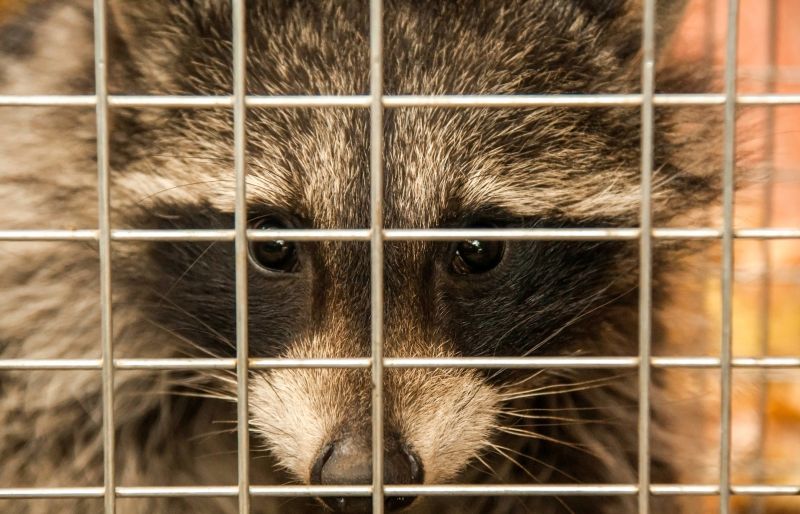
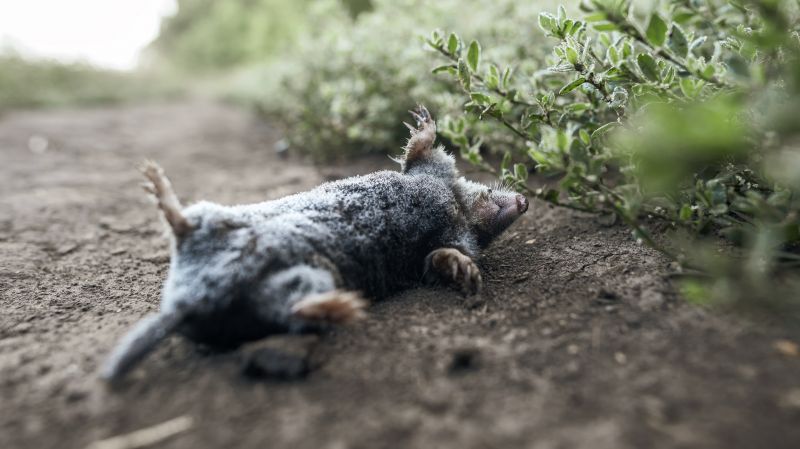
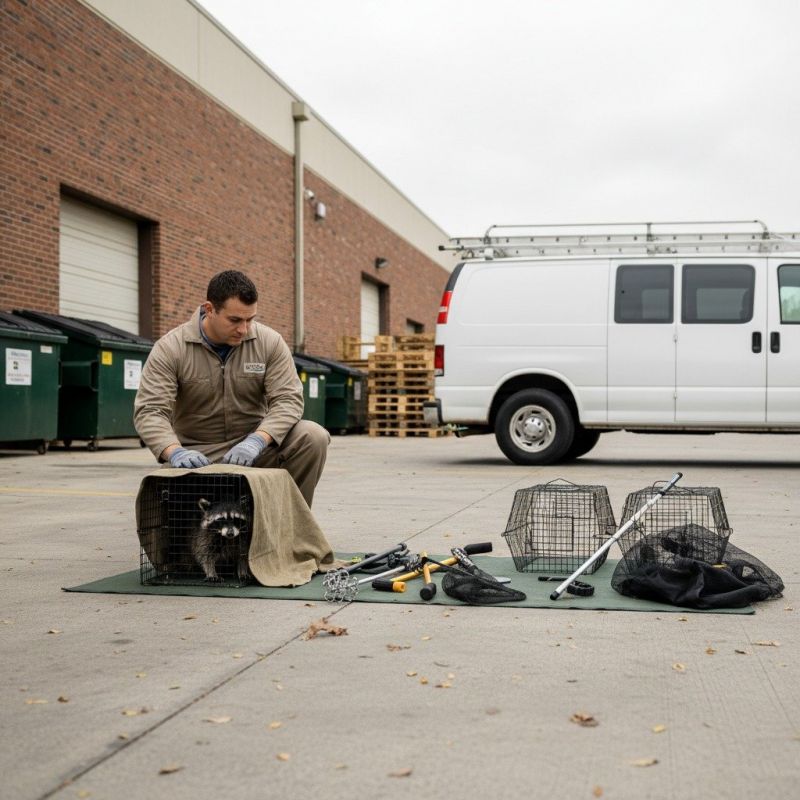
When homeowners search for information about how wildlife can damage roofs, attics, and insulation, they are usually concerned about the potential for animals to cause structural issues or create health hazards within their homes. This topic often comes up in the context of ongoing property maintenance or when noticing signs like strange noises, foul odors, or visible damage. People want to understand what kinds of animals might be responsible, how these creatures can compromise the integrity of their roofs and attic spaces, and what steps are necessary to prevent or address these problems. The focus is typically on identifying the sources of damage early and finding effective solutions to protect the home’s structure and interior environment.
The problems related to wildlife damage often involve animals gaining access to the roof and attic areas, where they can cause a range of issues. Common concerns include chewed or torn roofing materials, nests built in vents or eaves, and the destruction of insulation. Wildlife such as raccoons, squirrels, bats, and birds are frequently involved, and their presence can lead to significant damage if left unchecked. These animals may chew through wiring, which can pose fire risks, or create entry points that allow more pests to invade. Homeowners may also be planning repairs or upgrades to their insulation or roofing, making it important to address wildlife issues as part of broader property improvements.
Certain types of properties are more prone to wildlife-related damage, especially those with accessible attics or poorly sealed roofs. Older homes with gaps or cracks in the roofing or siding are more vulnerable, as are rural properties near wooded areas or water sources that attract wildlife. Homes with open soffits, damaged flashing, or missing vents provide easy entry points for animals. Additionally, structures with inadequate insulation or ventilation systems may be more attractive to wildlife seeking shelter or nesting sites. Understanding the specific risks for different property types helps homeowners recognize the importance of professional wildlife removal and prevention services to safeguard their homes against future damage.
Local wildlife removal service providers play a crucial role in addressing these issues by safely and effectively removing animals and sealing entry points to prevent re-infestation. They can assess the property to identify vulnerable areas that wildlife may exploit and recommend repairs or modifications to minimize future risks. These professionals often work alongside contractors to ensure that the roof, attic, and insulation are restored or protected after an animal intrusion. For homeowners dealing with wildlife damage, connecting with experienced service providers can help resolve the problem efficiently and prevent further harm, making it easier to maintain a safe, secure, and damage-free home environment.
Pest proofing services - these projects involve sealing entry points and installing barriers, which are essential skills for preventing wildlife from damaging roofs, attics, and insulation.
Attic insulation replacement - replacing or upgrading insulation often requires knowledge of wildlife damage and the ability to restore attic spaces after pests have caused harm.
Roof repair and maintenance - repairing damaged roofing components and ensuring proper ventilation can help prevent wildlife from gaining access and causing further damage.
Wildlife exclusion services - these projects focus on safely removing animals and sealing openings, directly addressing issues related to wildlife damage to roofs and attics.
Attic cleanup and restoration - cleaning up after wildlife intrusion involves removing contaminated insulation and debris, restoring the attic to a safe condition.
Gutter and soffit repair - fixing damaged gutters and soffits can prevent wildlife from nesting and entering the roof space, reducing the risk of damage to insulation and structural components.
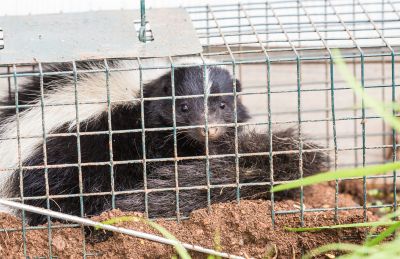
When comparing wildlife removal service providers, it is important to consider their experience with similar projects involving how wildlife can damage roofs, attics, and insulation. Service providers with a history of handling wildlife-related property issues are more likely to understand the specific challenges involved, such as identifying entry points, safely removing pests, and preventing future damage. Asking for references or examples of past work can help gauge their familiarity with the nuances of wildlife-related damage, ensuring they have the practical knowledge needed to address these issues effectively.
Clear written expectations are essential when evaluating local contractors for wildlife removal services. A reputable provider should be able to outline the scope of work, including inspection procedures, removal methods, and any necessary repairs or prevention measures. This transparency helps ensure that both parties understand what will be done and what to expect at each stage of the project. Having detailed, written plans can also prevent misunderstandings and provide a basis for assessing the quality and comprehensiveness of the services offered.
Effective communication is a key factor when choosing a wildlife removal specialist. Service providers who are responsive and willing to discuss the specifics of how wildlife can damage roofs, attics, and insulation demonstrate a commitment to customer understanding and satisfaction. Good communication ensures that homeowners can ask questions, express concerns, and receive clear explanations about the process, potential risks, and recommended solutions. This open dialogue helps build trust and confidence that the chosen contractor will handle the project professionally and thoroughly.
Property owners often search for how wildlife can damage roofs, attics, and insulation when they are planning practical projects around their homes and businesses. Local pros provide Wildlife Removal services for everyday jobs and straightforward project options.
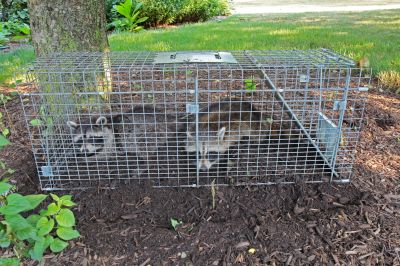
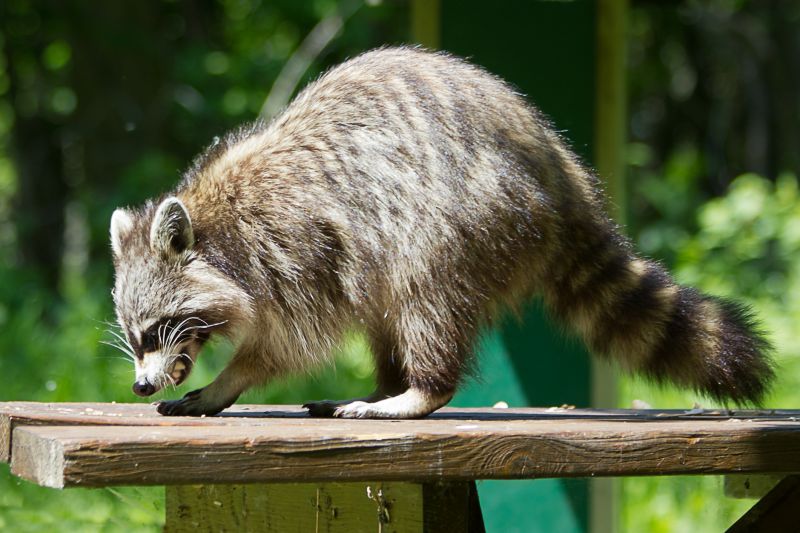
Wildlife can cause significant damage to roofs, attics, and insulation, especially when animals such as raccoons, squirrels, or birds find their way into a property. Common issues include gnawed wiring, torn insulation, and holes in the roofing material, which can lead to leaks and compromised structural integrity. Property owners often notice signs like strange noises, foul odors, or visible entry points, prompting them to seek the expertise of local contractors who specialize in wildlife removal and property repairs.
In many cases, wildlife entering a home or building can create ongoing problems if not addressed promptly. Damage to attic insulation reduces its effectiveness, leading to higher energy costs and potential mold growth. Additionally, animals can leave droppings and parasites that pose health risks. Local service providers experienced in wildlife removal can help identify the source of the problem, safely remove the animals, and repair any damage to prevent future invasions.
How can wildlife damage roofs and attics? Wildlife such as raccoons, squirrels, and birds can cause damage by chewing through roofing materials, creating entry points, and nesting in attics, which can lead to structural issues and insulation deterioration.
What types of wildlife pose risks to roofs and insulation? Common wildlife that can damage roofs and insulation include raccoons, squirrels, bats, birds, and rodents, all of which may seek shelter and inadvertently cause harm.
How does wildlife damage affect attic insulation? Wildlife can disturb or destroy attic insulation by nesting in it, urinating or defecating, and chewing through it, which reduces its effectiveness and can lead to higher energy costs.
What signs indicate wildlife may have damaged my roof or attic? Signs include unusual noises, droppings, chewed wiring or insulation, and sightings of wildlife around the property, suggesting they may have entered or caused damage.
How can local contractors help prevent wildlife damage to roofs and attics? Local service providers can perform inspections, seal entry points, remove existing wildlife, and implement deterrents to prevent future damage to roofs, attics, and insulation.
Identify entry points - inspecting roofs and attics for gaps or holes can help property owners prepare for wildlife removal services to seal openings effectively.
Assess insulation damage - evaluating the extent of insulation contamination or nesting can guide property owners in planning insulation replacement with help from local contractors.
Remove nesting materials - clearing out debris and nests left by wildlife is a practical step before professional removal and repair work begins.
Schedule wildlife-proofing - arranging for local service providers to install barriers or deterrents can prevent future damage caused by wildlife entering roofs and attics.
If you are thinking about how wildlife can damage roofs, attics, and insulation for a property, this guide is meant to help you understand this topic, the typical project types, and how different options might fit your plans.
When you are ready, you can use the quote form on this page to share a few details about your project. From there, local pros can review the basics and follow up with options that match what you have in mind.